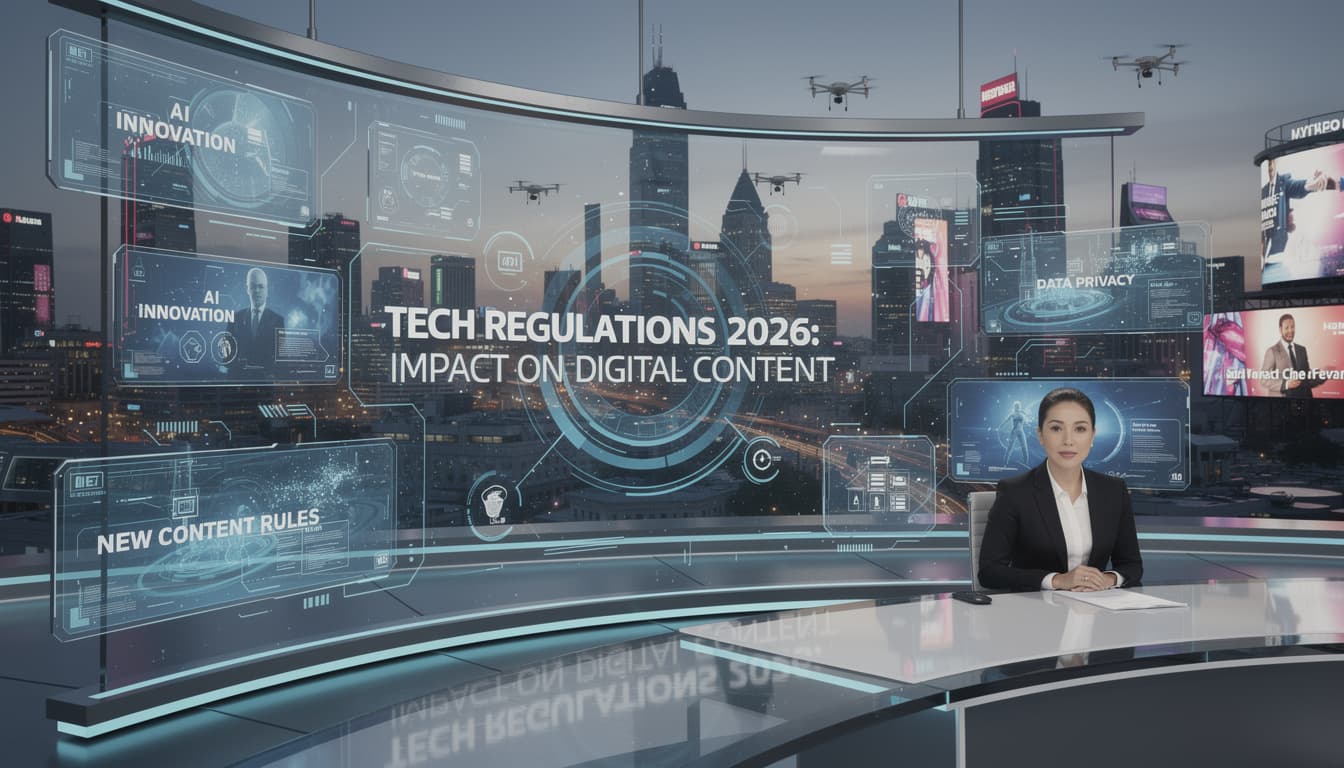
In 2026 artificial intelligence is not only the future but the present of marketing. Understanding the new AI regulations in Poland and the EU is crucial for every marketer who wants to remain competitive.
Why the new AI regulations matter for marketers
The importance of compliance
New AI regulations in Poland and the EU AI Act aim to ensure that artificial intelligence technologies are used ethically and transparently. For marketers, this means the need to adapt to new requirements to avoid financial penalties. In practice, this can mean adding labels such as "Generated with the help of AI" to content produced by artificial intelligence.
Risks and benefits
Although regulations may seem limiting, they open up new opportunities. Companies that fully leverage AI's potential can increase their efficiency and customer engagement. However, for the unprepared this can be risky. For example, a Poznan-based marketing agency that initially struggled with the new rules increased customer engagement by 25% after implementing tools from mycliqy.com.
Key elements of the AI law in Poland
AI classification criteria
Understanding how AI is classified is key for marketers. The law defines different risk levels associated with different AI applications. Content generation using AI, as with tools like mycliqy.com, is classified as "minimal risk," which means it does not require special certifications.
Liability rules
The new regulations introduce liability rules that can affect how AI is used in marketing campaigns. For marketers this means the need for transparency and reporting on AI usage, which in turn builds customer trust. According to various sources, as many as 75% of consumers are more likely to trust a brand that openly communicates its use of AI.
EU AI Act — What marketers must know
Basic assumptions
The EU AI Act requires that all AI-generated content be properly labeled by 2025. This is a key point that impacts transparency and accountability in marketing activities. Marketers need to be aware of these requirements to ensure their actions are lawful.
Requirements for companies
Companies using AI must comply with the rules set out in the EU AI Act, which include, among other things, transparency and labeling of content. A successful example of implementing these principles is Polish company XYZ, which integrated AI into its marketing processes and increased efficiency by 30%.
Latest advances in AI and their impact on marketing
Content generation
AI is changing how content is created, enabling time and resource savings. Tools like mycliqy.com offer automatic generation of graphics and content, allowing marketers to respond quickly to changing market needs.
Process automation
Automating marketing processes with AI is another step toward efficiency. With tools like Terminal Use, marketers can deploy AI in a safe and regulatory-compliant way, bringing significant operational benefits.
Practical steps for marketers in 2026
Adapting strategy
Marketers should adapt their marketing strategies to comply with the new AI regulations. This includes implementing transparent practices and properly labeling AI-generated content. That’s exactly why we built mycliqy.com — to make it easier for users to meet these requirements.
Investing in technology
Investing in new AI technologies is the key to success. Marketers should consider implementing tools like mycliqy.com, which not only automate processes but also ensure compliance with regulations — a particularly important consideration given the new legal requirements.
Learn more about how to use AI in marketing by visiting mycliqy.com and stay up to date with the latest trends.

Illustration 1 for article:

Illustration 2 for article: